
17537307758 / 17537307720
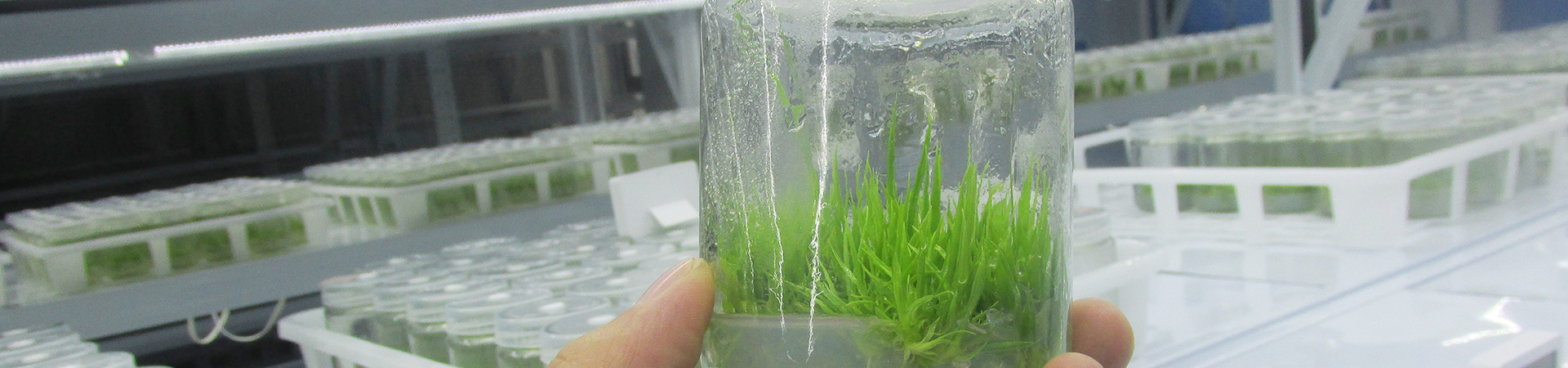
菌草芦竹种植技术——废弃污水的绿色消纳途径 Cultivation technology of Juncao/Arundo Donax L and reed bamboo - green disposal approach for waste water
在环保与农业创新的大背景下,绿洲一号芦竹正成为一种备受瞩目的植物资源,菌草芦竹具有水土保持和净化水体的强大功能。其根系发达,能深入土壤形成根系网,有效防止水土流失,并具有重金属吸附作用,能天然降解水体中的重金属元素。绿洲一号芦竹能够快速生长,其根系发达,能够有效吸收污水中的氮、磷等有害物质,同时其茂密的叶片还能通过光合作用释放氧气,增加水体中的溶解氧含量,从而改善水质。通过科学的种植技术和管理方法,我们可以将菌草芦竹种植在养殖场周边,将废弃污水引入其生长区域,实现污水的原位处理和资源化利用。这不仅解决了养殖场污水排放难题,还避免了污水对环境的污染,实现了养殖污水的资源化利用,改善了水质,提升了村民生活环境,是一种高效、环保的植物。此外,菌草芦竹还可以进一步加工利用,如制作生物质燃料、饲料等,形成一条绿色、循环的产业链。因此,推广菌草芦竹种植技术,是推进农业可持续发展、保护生态环境的有效途径之一。
In the context of environmental protection and agricultural innovation, The Juncao Arundo Donax L “Oasis 1#” reed is becoming a highly anticipated plant resource, with Juncao Arundo Donax L reed having powerful functions in soil and water conservation and water purification. Its root system is well-developed and can penetrate deep into the soil to form a root network, effectively preventing soil erosion. It also has the ability to adsorb heavy metals and naturally degrade heavy metal elements in water bodies. The Juncao Arundo Donax L “Oasis 1# reed bamboo can grow rapidly, with developed root systems that can effectively absorb harmful substances such as nitrogen and phosphorus in wastewater. At the same time, its dense leaves can release oxygen through photosynthesis, increasing the dissolved oxygen content in the water and improving water quality. Through scientific planting techniques and management methods, we can plant Juncao Arundo Donax L “Oasis 1# and reed bamboo around the breeding farm, introduce waste sewage into its growth area, and achieve in-situ treatment and resource utilization of sewage. This not only solves the problem of wastewater discharge in aquaculture farms, but also avoids environmental pollution caused by wastewater, realizes the resource utilization of aquaculture wastewater, improves water quality, and enhances the living environment of villagers. It is an efficient and environmentally friendly plant. In addition, Juncao Arundo Donax L and reed bamboo can be further processed and utilized, such as producing biomass fuels, feed, etc., forming a green and circular industrial chain. Therefore, promoting the planting technology of mushroom grass, reed and bamboo is one of the effective ways to promote sustainable agricultural development and protect the ecological environment.
河南绿碧源农林开发有限公司 Henan Lvbiyuan Agriculture & Forestry Development Co., Ltd.
客服热线:17537307758
育苗部负责人:17537307720
植保部负责人:18738571066
地址: 河南省新乡市封丘县李庄镇工业新区南环路C10号
